
The specific way to sit on a couch that protects your discs
I used to think my couch was my best friend, but it turns out it was more of a frenemy. There I was, tucked into the corner with a blanket and a book, feeling like I was finally resting after a long, stressful week. But when I eventually tried to get up to grab a glass of water, my lower back felt like it had been fused into a permanent C-shape. It wasn’t just stiffness; it was that deep, gnawing ache that tells you your spinal discs are screaming for mercy. I realized then that my evening ‘relaxation’ was actually a slow-motion injury.
Your Sofa Shouldn’t Feel Like a Physical Therapy Setback
[IMAGE_PLACEHOLDER]Most of us treat the couch as a place to collapse. I certainly did for years. I made the massive mistake of thinking that because the cushions were soft, they were somehow cushioning my spine. In reality, that lack of structure was forcing my lumbar spine into a rounded position, putting immense pressure on my intervertebral discs. According to research published in the journal Spine, sitting in a slumped posture can increase intradiscal pressure by up to 40% or more compared to standing. It is exactly why your back hurts more after a day of resting on the couch than it does after a productive day on your feet. When you sink into those deep cushions, your pelvis tilts backward, and your lower back loses its natural curve, stretching the ligaments and pushing the disc material toward the nerves.
Is a fancy ergonomic chair really the only solution?
I spent a small fortune trying to find the perfect office chair, thinking the living room was just a lost cause for my back health. I even tried those oversized lumbar pillows that always seemed to slide out of place or make me feel like I was falling off the edge of the seat. The truth is, you do not need a total furniture overhaul or a medical-grade recliner; you just need to understand how to sit on a couch without ruining your spinal alignment. My biggest fail early on was tucking my legs up under me or crossing them tightly for hours. I did not realize that crossing your legs is the fastest way to tilt your pelvis and create a massive imbalance that travels straight up to your neck. Have you ever felt that sharp, breathless ‘catch’ in your back the moment you try to stand up from your favorite spot? We are going to fix that today. I am going to show you the exact hip-shift and support setup that transformed my evening Netflix sessions from a pain-fest into actual recovery time. This is not about sitting like a soldier; it is about protecting your mobility so you do not end up needing sciatica relief secrets just to get through the work week.
How to Fix the Foundation of Your Favorite Seat
The biggest problem with modern couches is their depth. If your couch is so deep that your knees don’t clear the edge while your back is against the cushions, you are in a ‘gravity trap.’ Your body will naturally slide forward to find comfort, causing your lower back to round like a banana. I remember sitting through a three-hour historical drama—legs tingling and back throbbing—until I finally shoved a stiff decorative pillow under my sit-bones to raise my hips. It felt like my spine finally had a floor to stand on, and I realized that how a slight change in your sitting angle stops leg numbness almost instantly by taking the pressure off the sciatic nerve.
Stop the Pelvic Tilt and Save Your Discs
To fix this, you need to create a ‘neutral pelvis.’ Imagine your pelvis is a bowl of water; on most soft sofas, that water is constantly spilling out the back. This is the truth about soft sofas and chronic mid-back stiffness—they offer no resistance, so your muscles eventually give up and let your ligaments take the strain. Instead of sinking, place a firm cushion or even a folded yoga mat on the seat. This elevates your hips slightly above your knees, allowing the natural curve of your lower back to return.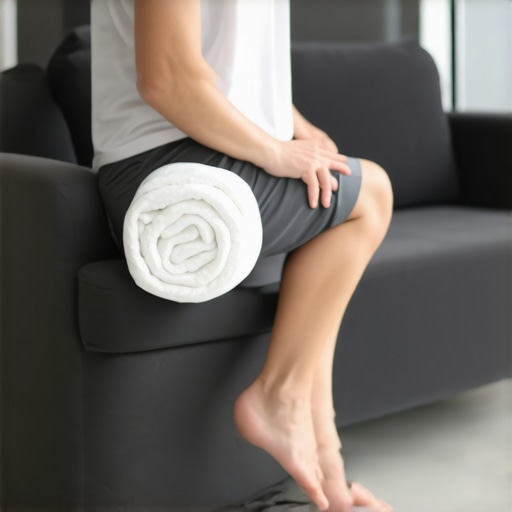
Give Your Lower Back a Solid Foundation
Once your base is firm, you must fill the gap between the couch and your lumbar spine. A common mistake is using a giant, fluffy pillow that pushes your whole torso forward. You need something small and targeted. I found that a rolled-up hand towel works better than any high-end store-bought pillow. You have to learn the specific way to use a lumbar roll for maximum relief: it should sit right at the beltline, not higher up in the mid-back. This acts like a bridge, supporting the weight of your upper body so your lower back muscles don’t have to work overtime while you’re trying to watch TV.
Elevate Your Feet to Ease the Tension
If your feet are dangling or barely touching the floor, your hip flexors stay ‘on,’ pulling on your lower spine. I used to think a coffee table was for coffee, but it’s actually a spinal health tool. Using the simple footstool trick to stop lower back pain while sitting changed everything for me. By bringing your feet up just a few inches, you slacken the tension in your hamstrings and psoas muscles. Just make sure you aren’t reaching for your phone while you relax; why looking at your phone on your lap is a disaster for your spine is simple—it reverses the curve of your neck and pulls your entire mid-back into that dreaded ‘C-shape’ again. Use a pillow on your lap to bring your device to eye level instead.
Forget Standing Up Straight Like a Soldier
The most common advice I hear for back pain is ‘just stand up straight.’ It sounds logical, right? If slumping is bad, then pulling your shoulders back and puffing out your chest must be the cure. But here is the nuance most people miss: rigid posture is just as damaging as a slump. When you force a ‘perfect’ upright position, you are essentially bracing your spinal stabilizers for a marathon they aren’t equipped to run. In my experience, why standing up straight is actually making your back pain worse comes down to muscle fatigue. You create a state of constant high-threshold strategy where your muscles never get to breathe. Instead of forcing a shape, we should be looking for ‘movement variability.’ A study published in the journal *Musculoskeletal Science and Practice* suggests that there is no single ‘correct’ posture that prevents pain; rather, it is the lack of frequent movement that causes issues. If you are constantly bracing, you are just trading one type of strain for another.
Is your leg pain a simple muscle pull or something deeper?
One of the biggest traps my readers fall into is the ‘tight hamstring’ cycle. You feel a pull in the back of your leg, so you stretch it. It feels better for ten minutes, then it tightens right back up. This is usually the ‘Oops’ factor in back recovery. If your hamstrings feel like steel cables despite daily stretching, you aren’t dealing with a short muscle; you are dealing with protective tension. This is why stretching your hamstrings won’t fix your tight legs—your brain is keeping them tight to protect a sensitive sciatic nerve. If you keep cranking on that ‘tight’ muscle, you might actually be tugging on an inflamed nerve root. You need to learn how to tell if your leg pain is a muscle pull or a nerve root before you do another reach-for-your-toes stretch that makes the inflammation worse.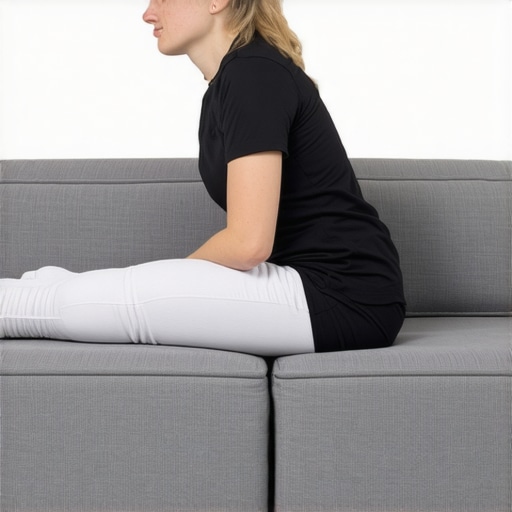
The Trap of Passive Support Systems
I see it all the time: people buy the $1,000 chair and the $200 lumbar support, yet their understanding the link between poor posture and chronic back pain remains surface-level. They think the equipment does the work. But even the best ergonomic setup becomes a ‘static prison’ if you stay in it for four hours straight. You have to actively engage with your environment. For instance, I found that the nerve tension test you can do in your living room is a much better indicator of how you should sit than any furniture label. If you feel a zing down your leg when you straighten your knee while sitting, no amount of cushion will help until you address that neural tension. We often get caught up in the ‘where’ (the couch, the chair) and forget the ‘how’ (the micro-movements). Have you ever fallen into the trap of buying ‘ergonomic’ gear only to find your pain didn’t budge? Let me know in the comments below, I’d love to hear your experience. This is about building mobility mastery through awareness, not just furniture. It’s the difference between a temporary fix and a lifetime of spinal freedom.
I have tried every gadget under the sun, from vibration plates to inversion tables, but the real breakthrough came when I stopped looking for a magic bullet and started building a toolkit. One of my most-used items is a simple foam roller, but I use it very differently than most people. Instead of rolling my lower back—which can actually increase instability in the lumbar region—I focus solely on the thoracic spine. Learning how to use a foam roller on your mid-back without causing pain was a game-changer for my neck and shoulders because it restored the extension my spine desperately needed after hours at a desk.
Dr. Stuart McGill, a world-renowned expert in spinal biomechanics and author of Back Mechanic, emphasizes the concept of ‘Spinal Hygiene.’ He suggests that the way we move throughout the day—brushing our teeth, tying our shoes, or even picking up a pen—matters far more than a twenty-minute gym session. This is why I started focusing on the dead bug exercise variation that actually protects your spine. It is not just a core move; it is a way to teach your brain how to keep your back stable while your limbs move through space.
How do I keep these results for the long haul?
Consistency beats intensity every single time. I realized that if I missed the morning routine that prevents lower back stiffness, I was basically starting my day with a mobility deficit. You have to treat your spine like a high-performance engine that needs regular maintenance rather than a part you only fix when it breaks. If you are dealing with lingering sciatica, you shouldn’t just wait for it to go away. Incorporating the nerve flossing routine for stubborn leg numbness and tingling into your daily wind-down can prevent neural adhesions, which is often where chronic pain takes root. 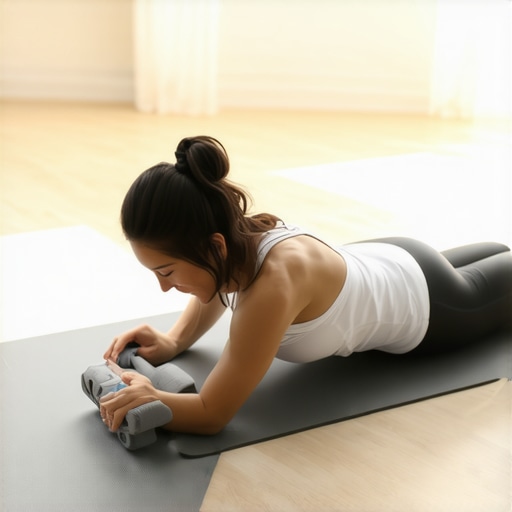
Looking ahead toward 2026, I predict we are going to see a massive shift toward wearable bio-feedback devices. We already have watches that track our heart rate, but soon we will have smart clothing with integrated sensors that provide a gentle haptic buzz when we have spent too long in a ‘C-shape’ slump. This tech will make unlocking mobility expert tips on managing back pain in 2025 even more accessible because we won’t have to rely on constant self-monitoring. For now, the best tool you have is your own awareness. I want you to try one thing today: next time you are sitting, perform a quick body scan. Are your ribs flared? Is your neck jutting forward? Integrating mobility mastery daily tips to keep your spine and joints healthy into these small moments is what transforms a ‘bad back’ into a resilient one. Don’t wait for the next flare-up; start with that nerve flossing routine tonight and see how your legs feel tomorrow morning.
The Hardest Lesson My Sofa Ever Taught Me
If there is one thing I have learned through years of trial and error, it is that your body is incredibly adaptable, but it needs the right signals. I used to think I was ‘broken,’ but I was just sending my spine the wrong messages for eight hours a day. One of the hardest truths to swallow was that rest is not a passive activity. If you are ‘resting’ in a way that creates neural tension, you are actually fatiguing your system. You have to learn back pain breakthroughs by listening to the subtle cues your body gives before the ‘scream’ of a spasm begins. Another lightbulb moment was realizing that is your back pain a sign of something more serious often comes down to how quickly your symptoms resolve when you change your environment.
A Personal Toolkit for Lasting Spinal Comfort
You do not need a home gym to fix your back, but a few targeted items can make a world of difference. I always recommend Back Mechanic by Dr. Stuart McGill; it is essentially the owner’s manual for the human spine that most of us never received. Beyond literature, I rely on a firm lumbar roll and a simple footstool to keep my pelvis neutral. I also stopped falling for the marketing hype around expensive gadgets. For example, I found the truth about inversion tables for chronic sciatica relief is that they often provide temporary traction without teaching your muscles how to support your weight long-term. Instead, I focus on the simple morning move to prime your spine for the day to build lasting functional strength. [IMAGE_PLACEHOLDER]
Reclaim Your Evenings from Chronic Sciatica
Your journey toward mobility does not have to be a grueling uphill battle. It starts with the very next time you sit down to relax. By implementing small shifts—like a towel roll behind your back or a slight lift for your hips—you are making an investment in your future self. These overcoming sciatica top lifestyle changes are what separate those who stay stuck in a cycle of pain from those who regain their freedom. You deserve to enjoy your home without fearing a flare-up. Have you ever tried a lumbar roll or a footstool and noticed an immediate difference in your comfort? Let me know your experience in the comments below!