
Why your heavy purse is shifting your spine to the left

I remember standing in the checkout line three years ago, trying to fish out my keys, when a sharp, white-hot zip of pain shot from my left shoulder straight down to my hip. I nearly dropped my groceries. It wasn’t a gym injury or a sudden fall. It was my beautiful, overstuffed leather tote bag. For years, I had treated that bag like a portable survival kit, hauling a laptop, three notebooks, a makeup bag, and a literal rock collection my nephew gave me, all perched on my left shoulder. I didn’t realize that my body was playing a permanent game of tug-of-war just to keep me upright. If you have ever wondered why your heavy purse is the real cause of your one-sided back pain, you are not alone. Today, we are going to look at the physics of that ‘side-carry’ and how to stop your spine from curving into a permanent question mark.
Your Left Side is Begging for a Break
When you hang a ten-pound weight off one side of your body, your brain doesn’t just let you fall over. It signals the muscles on the opposite side to contract like crazy to keep your head level. Over time, this constant pull creates a functional scoliosis—a curve in the spine that isn’t born from genetics but from habit. I spent months understanding the link between poor posture and chronic back pain before I finally looked in the mirror and realized my left shoulder sat nearly two inches higher than my right. It was a wake-up call. I had been inadvertently training my body to be crooked. We often think the solution is just ‘standing up straighter,’ but why standing up straight is actually making your back pain worse becomes clear when you realize you’re fighting against a muscle memory that’s been reinforced for years.
Is a Lighter Bag Actually Worth the Hype?
You might be skeptical. You might think, ‘It’s just a bag; I only wear it for twenty minutes a day!’ But those twenty minutes add up, especially if you’re also dealing with why your shoulder blade pain might actually be a neck issue. Early on, I made the classic mistake of buying a bag with a ‘comfort strap’ thinking it would solve the problem. It didn’t. It just allowed me to carry even more weight without the immediate sting of the strap digging in. According to the American Chiropractic Association, a backpack or purse should never exceed 10% of your total body weight to avoid spinal strain. For many of us, our daily ‘essentials’ blow past that limit by 9:00 AM. Have you ever felt that weird, dull ache in your hip or a ‘hitch’ in your gait after a long day of errands? That is your spine begging for symmetry. Before we dive into the specific exercises to reset your alignment, take a look at your current bag—is it a tool, or is it a physical burden you’ve grown too used to?
Audit Your Carry Before You Audit Your Spine
To fix the lean, you have to start with the source. Think of your purse as a physical anchor; if it is too heavy, it will drag your entire skeletal structure out of place. I remember a wedding I attended two years ago where I insisted on carrying my professional DSLR camera in a stylish one-shoulder tote. By the time the cake was cut, my right leg felt like it was buzzing with electricity. It was a terrifying moment that forced me to realize how to tell if your leg pain is a muscle strain or a pinched nerve. My ‘style’ was literally compressing my spine.
Empty the Dead Weight Every Sunday
We are all guilty of it—carrying three lipsticks we never use, old receipts, and backup battery packs that weigh a ton. Every Sunday, dump your bag out completely. If you haven’t touched an item in three days, it doesn’t belong in your daily carry. When you do put things back, remember the specific way to lift a grocery bag to avoid a spasm applies to your heavy purse too; use your legs, not your back, to hoist it onto your shoulder.
The Crossbody Swap that Saves Your Hips
If you must carry more than a few pounds, the physics of a crossbody bag are far superior. By crossing the strap over your head, the weight is distributed across your torso rather than hanging off a single, unstable hinge. This prevents your pelvis from tilting to one side, which is often why crossing your legs at the office leads to uneven hips and further exacerbates the problem. 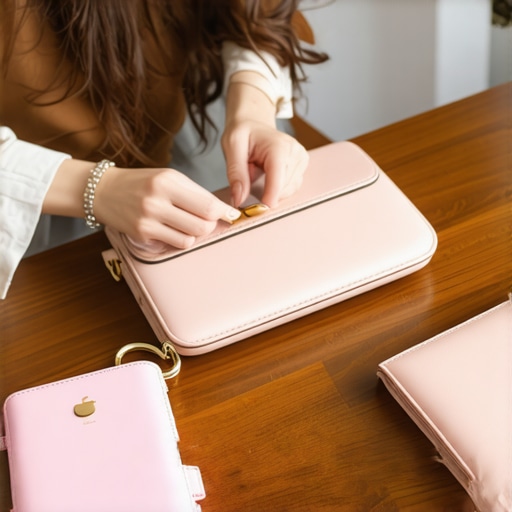
Movement Patterns to Reverse the Damage
Once you’ve lightened the load, you have to deal with the ‘muscle memory’ of the lean. Your body has likely developed a favorite side, and your muscles are stuck in a shortened state.
Reset Your Shoulders Against the Wall
The most effective way to fight the ‘tote bag slump’ is to open the chest and pin the shoulder blades back. I use the 30-second wall slide for better shoulder alignment every morning. It acts like a factory reset for your upper back. If you spend your day looking down at a screen, this move is non-negotiable to prevent your shoulders from rolling forward permanently.
Rebuild Core Symmetry with Floor Work
Your core is the internal corset that keeps your spine upright despite the external weight you carry. To stabilize the area where my one-sided pain used to flare up, I started using the dead bug exercise variation that actually protects your spine. It teaches your hips and ribs to stay connected, preventing that awkward side-bend that heavy purses love to create.
Check Your Breath to Unlock Your Back
It sounds strange, but if you are constantly bracing against a heavy bag, you are likely breathing into your chest rather than your diaphragm. Learning how your breathing pattern affects your core stability is the final piece of the puzzle. When you breathe deeply into your belly, you create internal pressure that supports your spine from the inside out, making you much more resilient to the weight on your shoulder.Most people assume that if their back hurts, they need to lie down or stretch their hamstrings until they can touch their toes. In my years of dealing with my own spinal quirks, I’ve learned that this ‘common sense’ approach is often the fastest way to stay miserable. Take the hamstring stretch, for instance. If you have sciatica, cranking on your legs might feel like a good ‘burn,’ but you are likely just yanking on an already inflamed sciatic nerve. This is why some sciatica stretches actually pinch the nerve further. Instead of relief, you’re creating more neural tension. I fell into this trap for months, wondering why your hamstrings feel tight but never get better with stretching. The truth is, your brain is keeping those muscles ‘tight’ as a protective guard for your spine. Trying to stretch through that guard is like trying to force open a locked door without a key.
Stop Pulling on Your Hamstrings
The nuance most people miss is the difference between a muscle pull and a nerve issue. If your leg pain feels like electricity, a deep cold ache, or a buzzing sensation, traditional stretching is your enemy. You need ‘nerve flossing’ to glide the nerve through the surrounding tissue without over-tensioning it. I started incorporating the nerve flossing routine for stubborn leg numbness and tingling, and the results were night and day compared to static stretching.
Could Your Nerve Irritation Be Mimicking a Simple Muscle Pull?
This is the advanced question that keeps many people stuck in a loop of failed recovery. When the source of pain is actually the spine—like the difference between a bulging disc and a herniated disc—the symptoms often manifest far away from the back. You might feel a ‘tweak’ in your calf or a heavy feeling in your foot. 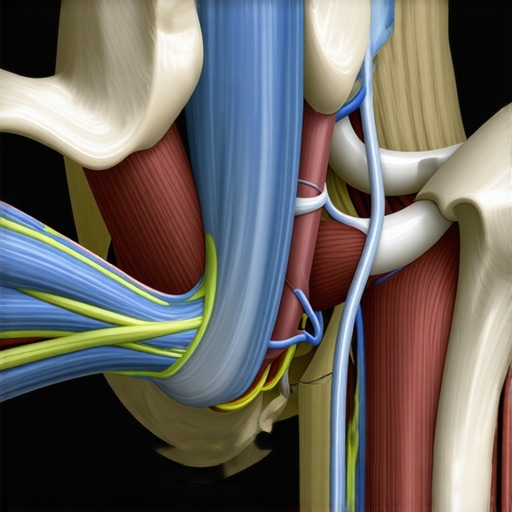 A study published in the Journal of Orthopaedic and Sports Physical Therapy highlights that ‘centralization’—moving the pain from the leg back toward the spine—is the gold standard for recovery, yet most patients focus entirely on where they ‘feel’ the pain in their leg. Another massive ‘oops’ factor is the obsession with firm mattresses. While we’re often told they are better for back health, research suggests that overly rigid surfaces can create pressure points that trigger more inflammation. If you are struggling, check why your firm mattress is making your morning sciatica worse. Finally, many believe that ‘rest is best’ for a flare-up. In reality, total bed rest is one of the biggest mistakes you can make. When you stop moving, your muscles stiffen, your blood flow decreases, and your healing slows down. This is why your back hurts more after a day of resting on the couch. Movement, specifically low-impact movement like walking, is what keeps the tissue resilient. Have you ever fallen into the trap of over-stretching or resting too much and finding it only made things worse? Let me know in the comments below.
The Two Tools I Carry to Save My Lower Back
After ditching the heavy tote, I realized that I needed to replace the ‘survival gear’ with things that actually supported my recovery. Now, my bag always has a McKenzie-style lumbar roll. I don’t just use it because it is recommended; I use it because it creates a physical block that prevents my lower back from flattening against the seat. If you spend any time commuting, learning the specific way to use a lumbar roll for maximum relief is the difference between arriving at your destination stiff and arriving ready to move. The second tool is a simple tennis ball. I use it for two minutes while standing against a wall to hit those deep glute knots that flare up when my pelvic alignment is off. This isn’t just about feeling good; it is about desensitizing the nervous system so your brain stops sending out pain signals.
How do I keep my spine aligned without thinking about it?
Consistency beats intensity every single time. You cannot undo ten hours of sitting with twenty minutes of stretching. I keep my progress by following mobility mastery daily tips to keep your spine and joints healthy, which focuses on ‘interstitial’ movement—moving for 60 seconds every hour. Dr. Stuart McGill, a world-renowned biomechanics expert, emphasizes ‘spinal hygiene,’ which is the idea that we should treat our backs with the same daily care we give our teeth. For me, that means never bending at the waist first thing in the morning when the discs are most hydrated and prone to injury. Instead, I use the morning routine that prevents lower back stiffness to prime my joints before I even pick up my coffee mug. 
Why Your Desk Geometry is the Next Big Health Frontier
Most people set up their office based on aesthetics, but I’ve learned to set mine up based on physics. I finally stopped the cycle of tension by implementing the 15-degree rule for your computer monitor to save your neck. By ensuring my gaze hits the top third of the screen without tilting my chin, I’ve eliminated the 3:00 PM headaches that used to define my workdays. If you are on a budget, you don’t need a thousand-dollar chair; you just need to know how to set up your home office for less than fifty dollars using things you already own, like books to prop up your screen and a rolled-up towel for your chair. Looking ahead, I predict we are going to see a massive shift toward ‘bio-feedback’ wearables—clothing that gently vibrates when your shoulders roll forward or your pelvis tilts. We are moving away from passive treatments and toward active, real-time awareness. My challenge for you today is to implement the 15-degree rule at your desk right now; it is the single most effective way to stop ‘text neck’ before it starts.
The Hardest Lesson My Body Taught Me About Symmetry
For years, I ignored the subtle signals my body was sending because I thought they were just part of getting older. The biggest ‘lightbulb moment’ came when I learned the simple way to check your own spine for pelvic tilt in front of a bathroom mirror. I realized that my body wasn’t failing me; it was simply adapting to the uneven load I forced it to carry. I also discovered that how your phones font size is impacting your neck tension was compounding the stress from my heavy purse. Small habits, like squinting or leaning to one side, create a cumulative ‘debt’ in your joints that eventually has to be paid.#IMAGE_PLACEHOLDER_E#
My Daily Toolkit for Spinal Resilience
I’ve traded my oversized leather tote for a curated toolkit that fits in a small crossbody. First, I never leave without knowing how a simple tennis ball can release your deep glute tension; it is a literal lifesaver during long commutes. Second, I keep a portable lumbar support handy because the specific way to use a lumbar roll for maximum relief has changed the way I sit in any chair. Finally, I rely on mobility mastery daily tips to keep your spine and joints healthy to stay updated on the best ways to counteract the physical toll of a modern lifestyle.
Your Spine Deserves a Fresh Start
Healing isn’t about a single magic stretch; it’s about the small, conscious choices you make between the moment you wake up and the moment you go to sleep. When you stop treating your body like a pack mule and start treating it like a precision instrument, the chronic one-sided back pain that has been dragging you down will finally start to lift. For more on the future of spinal health, check out unlocking mobility expert tips on managing back pain in 2025. Have you noticed one shoulder sitting higher than the other when you look in the mirror? Let me know in the comments below.